About the project
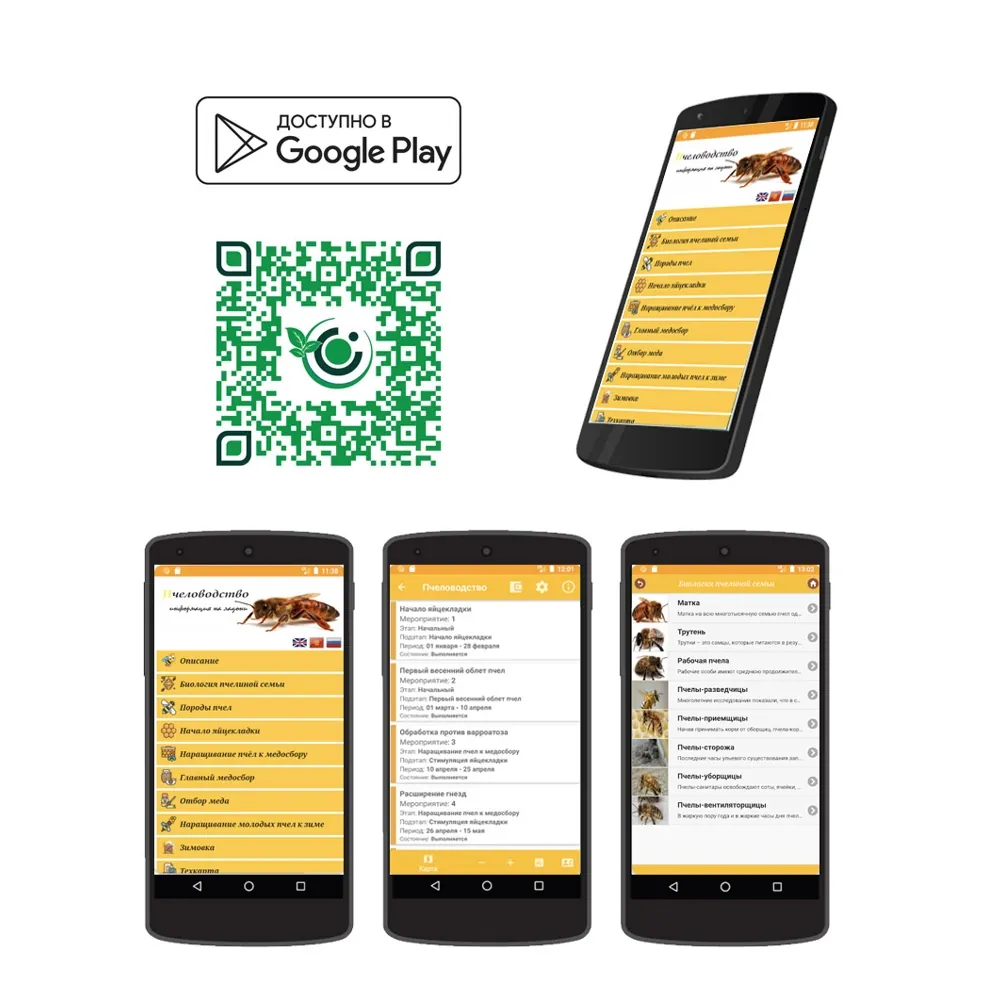
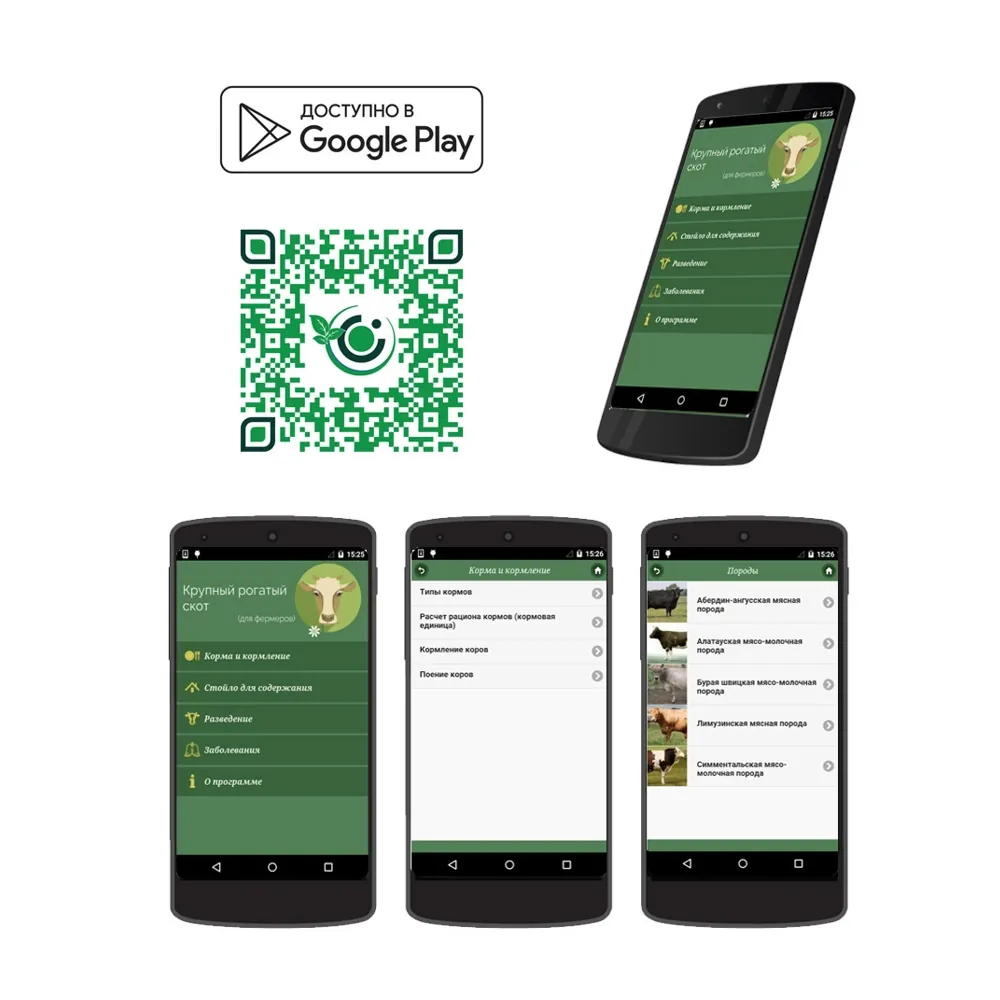
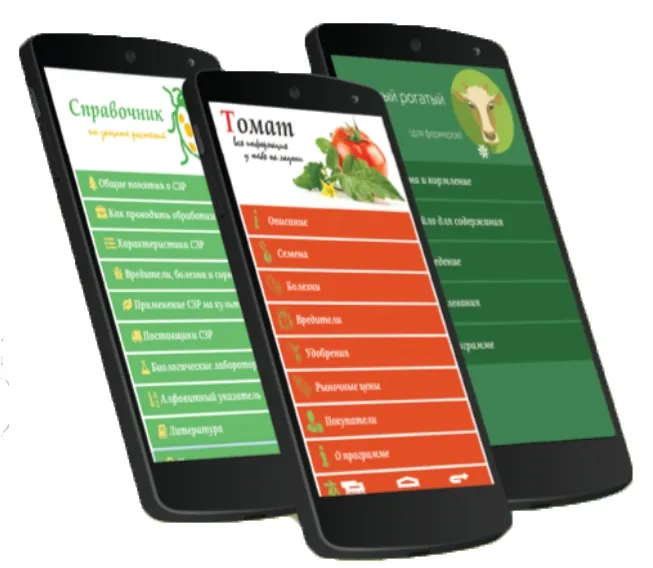
The Mobile apps for Vegetable Growers are part of a series of mobile apps providing knowledge and other support services that help improve methods applied in crop farming and guide from sourcing seeds to harvesting. Currently, the Mobile apps for Vegetable Growers support the production and sale of tomato, cucumber, onion, cabbage, cauliflower, broccoli and greenhouse vegetables.
Description
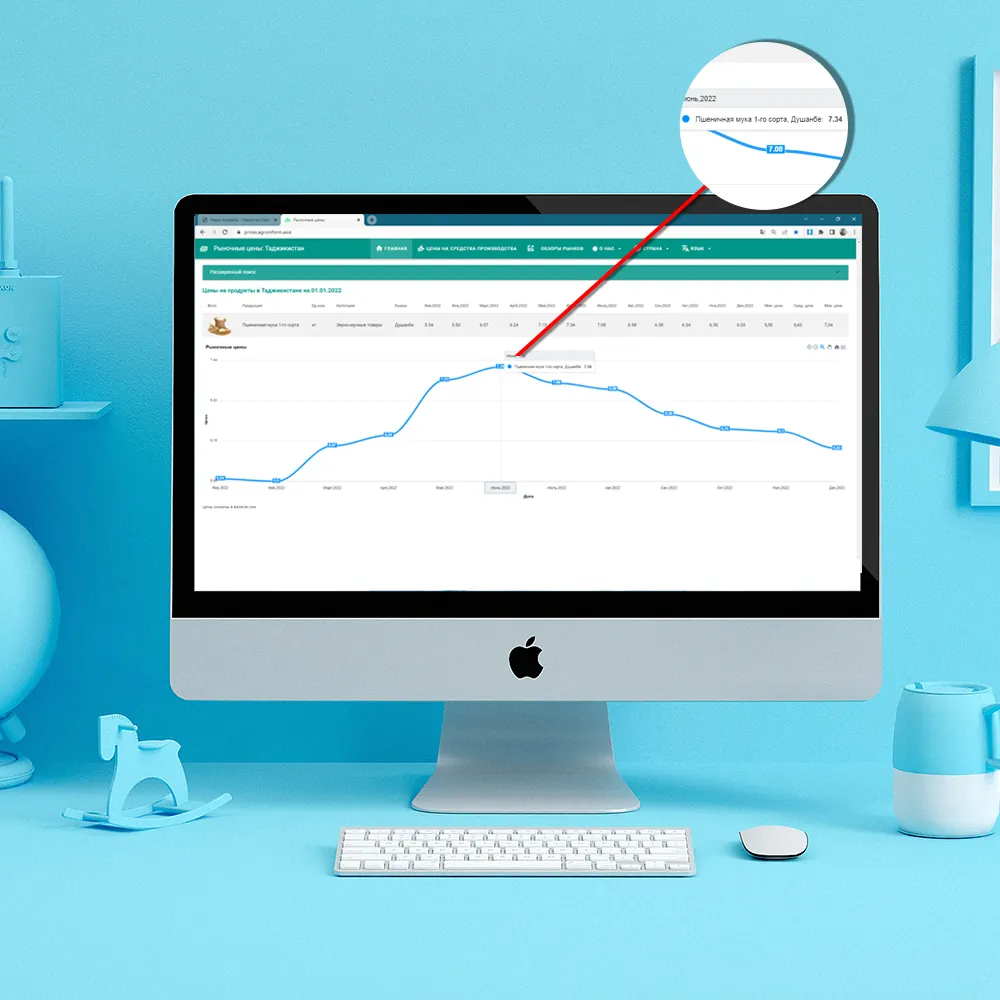
The easy-to-use mobile apps will simplify the work of not only professional farmers and farm advisors, but also beginners and future agribusiness. The apps provide information on seeds, soil quality and fertility, nutrient management, existing diseases and pests in the region, different ways of pest and disease control, weed management, including biological control and focusing on environmentally friendly farming. The apps allow direct connection with agri-input suppliers, traders and processors. There are functions for obtaining weather forecasts and retail market prices in Tajikistan and Kyrgyzstan. The app content for cauliflower and broccoli was developed in 2018 with the technical guidance of Chemonics under the USAID Feed the Future Tajikistan Agriculture and Water Activity.
Technology description
The Mobile apps for Vegetable Growers are available for smartphones and tablets with the Android operating system in several languages, Tajik, Kyrgyz, Russian and English. Switching between the languages is possible in offline mode. The consortium of Neksigol and AgroInformAsia worked with competent specialists with knowledge of regional features of crop production to create the content of the apps. Also, the content of the apps and information about agri-input suppliers and buyers of agricultural products are updated regularly. Besides, the apps connect to the Price Monitoring and Analysis System via API for accessing retail market prices.
Users’ description
The target users of the mobile apps are mainly farmers and agro-consultants/village advisors. Also, indirect users of the apps are agri-input suppliers, traders and processors because they can use the apps as an additional channel for advertising, sales for input supplies and sources for agricultural raw materials. The apps have the potential for wide outreach, first of all, across Central Asian countries as they are available in the Russian language as well as in other countries around the world because they are translated into the English language as well.
Business model description
The apps are free to download and use on personal devices through Google Play Store or the app's website. Although, two types of in-app advertising are implemented in the app, that is Google Ads and its own module for displaying ads about seeds, crop protection products, fertilizers etc. from specific advertisers. The costs are 10$/monthly or 50$/yearly.
Challenges
The apps need to be extended with information about new pests and diseases and improved methods of their control and crop protection. Also, regular updating of the apps content is required with scientifically validated and accessible knowledge about good agronomic practices.
Impact
The Mobile apps for Vegetable Growers support farmers in making efficient and sustainable production decisions and thus can contribute to improving farming methods and techniques, increasing production yields and more environmentally friendly farming. The mobile apps have, so far, more than 60 000 downloads.